Ride the Rails, Step into Snow
Pack your layers, lace your boots, and join us for Snow Trains to Trails: Rail-Linked Snowshoe and Nordic Ski Itineraries, where stations become gateways to glittering forests and open plateaus. We explore schedules, gear, safety, and soulful journeys that begin with a whistle, continue with crisp breath, and end with cheeks warm from effort and cocoa. Expect practical tips, heartfelt stories, and step-by-step ideas that make winter days simpler, lighter, and wonderfully memorable without needing a car at all.

Reading Winter Timetables

Timetables shrink in winter, so scan both weekday and weekend columns, and note holiday changes that surprise even locals. Prioritize morning arrivals; early tracks stay crisp for skating and classic alike. Look for request stops that need a button press or conductor notice. Highlight backup trains in case weather slows your descent. Screenshot everything, download offline schedules, and set alarms for key transfers. A five-minute cushion often means hot chocolate instead of sprinting with poles clattering behind you.

Station-to-Trail Navigation

Before leaving home, cross-check station maps, village signposts, and trailhead coordinates. Many alpine towns stencil snowflake icons on sidewalks guiding you to groomed loops; elsewhere, tourism offices hand out pocket maps with precise minute counts. Follow pedestrian paths, not ski tracks, keeping snowshoes off groomed classic lanes. If sidewalks are icy, microspikes can be a quiet hero. Photograph intersections on the way out to ease your twilight return. A calm, confident stroll sets the tone for the entire day.

Tickets, Passes, and Stowage

Combine a regional rail pass with a discounted winter sports card when available; the pairing often saves enough for an extra bakery stop. Validate tickets where required, and keep QR codes easy to scan around gloves. On board, secure skis in designated racks and slide poles into baskets to prevent swings during braking. Some stations offer day lockers for boot bags; others rent heated dryers. If you’re upgrading seating, choose windows on the mountain side; scenery doubles as real-time route planning.

Gear That Travels Well

Your kit should glide through turnstiles, fit overhead or between seats, and still keep you warm for hours. We explore soft cases, collapsible poles, minimalist repair kits, and layering systems that breathe on climbs yet cuddle during rests. For snowshoeing, frames with quiet bindings and easy glove-friendly buckles shine. For Nordic, wax choices and skin skis matter when forecasts wobble. The goal is comfort without bulk, reliability without fuss, and a setup you can carry with a relaxed, happy stride.

Iconic Itineraries Across Regions

From red carriages threading Swiss viaducts to Norway’s high plateau halts and Japan’s snowy satoyama valleys, some routes feel made for gliding and crunching over winter crystals. These itineraries pair scenic rails with trails a short walk or shuttle away, giving you maximum time outside. Consider daylength, exposure to wind, and cafe options for refueling. Each suggestion mixes approachable distances with optional extensions, so beginners and endurance seekers both find their cadence under wide, shimmering skies.

Switzerland: Albula Line to Engadin Tracks

Ride the UNESCO-listed Albula line on the Rhätische Bahn to Pontresina or Samedan, where groomed loops lace the valley floor beneath sparkling peaks. Morteratsch offers views of a mighty glacier, while Zuoz charms with sunlit meadows and quiet classic lanes. Trails usually begin within minutes of the station. Stop at a bakery for a nut tart before a second lap. With frequent trains and well-posted signs, you can improvise distances and still glide back in time for golden-hour panoramas.

Norway: Bergen Line to Finse Plateau

Step off at Finse, famously at 1,222 meters, and you’re practically on Hardangervidda’s doorstep. Tracks stretch into a white emptiness that hums with subtle blues and wind-etched textures. Choose a gentle out-and-back on marked stakes or venture farther if conditions truly allow. Trains arrive with dependable cadence, but weather shifts fast, so carry a robust shell and hot drink. The tiny station hotel’s windows glow like a promise, guiding you home as twilight wraps the wide, whispering plateau.

Japan: Shinkansen to Iiyama and Nozawa

Zip on the Hokuriku Shinkansen to Iiyama, then take the Nozawa Onsen Liner to a village where steam curls from alleys and cross-country loops circle forests above traditional baths. Snowshoe trails reveal shrines and hushed cedar stands, while Nordic circuits offer gentle learning zones and playful climbs. Warm up in a public onsen afterward, watching snow sift through lantern light. Trains run smoothly back to Tokyo, transforming a big winter outing into a beautifully simple, culturally rich day trip.

Safety, Weather, and Mountain Etiquette

Cold clarity can hide fast-moving fronts, slick corners, and fragile grooming. Learn to read avalanche bulletins where tours leave the trees, and understand which trails welcome snowshoes and which are reserved for classic or skating only. Pack a small light, a whistle, and a printed map for phone-free backups. Respect the quiet of morning gliders, yield on downhills, and step off tracks before adjusting gear. Safety flows from awareness, kindness, and honest pacing more than brawn or bravado.

Lower Footprint, Higher Freedom

Independent studies repeatedly show trains emitting a fraction of the carbon per passenger compared to cars, especially when powered by renewables. Beyond charts, freedom appears in subtle ways: you can stretch legs, read weather updates, and retie boots without pulling over. Multi-day rail passes invite spontaneous detours when sun breaks through. By choosing steel wheels, you trade exhaust for quiet progress, and the quiet makes room for anticipation, gratitude, and the calm focus that nurtures safer winter decisions.

Community Connections Over Coffee

On a snowy morning to Garmisch, a retiree once pointed out her favorite larch grove between tunnels, then pressed a bakery recommendation into my mitten. That chat led to a cinnamon pretzel, which led to an extra loop powered by goodwill. Trains create these gentle collisions—shared tables, fogged windows, elbows tucked around thermoses. Advice flows naturally, deepening local respect. When we arrive as guests who listened first, our footprints fade softer, and our memories grow warmer than any car heater.

Make It Yours: Building a Personal Rail-to-Snow Calendar

{{SECTION_SUBTITLE}}
Weekend Micro-Adventures
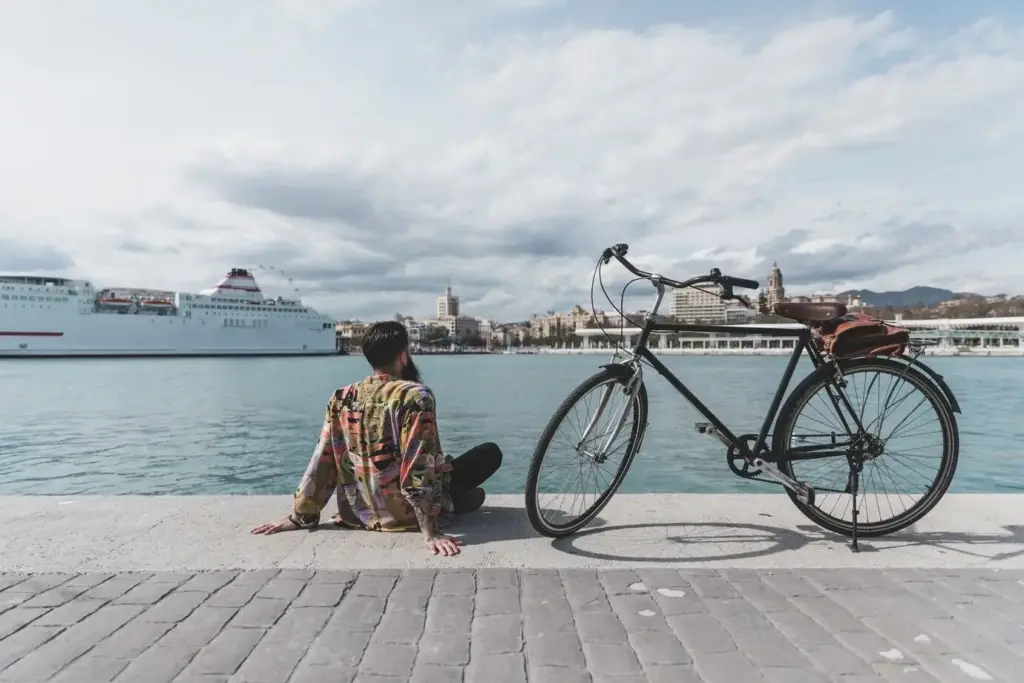
Leave Friday evening, wake with mountains outside the glass, and step onto snow before the brunch crowd. Choose loops within a fifteen-minute stroll of the platform, then linger over soup before coasting back for sunset. Micro-adventures ease planning pressure while delivering big satisfaction. Rotate regions to keep curiosity bright. When storms surprise, pivot to sheltered forests. Jot notes on grooming quality, cafe hours, and the best bench for changing boots. Small, repeatable joys build durable winter confidence.

Family-Friendly Journeys

Kids ride trains like amusement parks on rails, and stations become treasure maps with clear, short goals. Pick gentle circuits, nearby sledding hills, and warm huts spaced like milestones. Pack cocoa, extra mitts, and a playful scavenger list: red hut, carved bear, blue trail marker. Use group tickets and family compartments when available. Let little legs set the pace and finish early rather than late. Victory photos on the platform seal the memory, turning future departures into eager, chirping countdowns.
Ponatelikozovunire
Privacy Overview

This website uses cookies so that we can provide you with the best user experience possible. Cookie information is stored in your browser and performs functions such as recognising you when you return to our website and helping our team to understand which sections of the website you find most interesting and useful.