Rails, Rivers, and Two Wheels Across Canada
We’re setting out to bikepack Canada’s signature rail trails with train connections, linking stations, historic corridors, and welcoming towns into one continuous journey. From commuter lines that deliver you straight to a gravel path, to overnight sleepers that set up province-spanning escapes, this approach multiplies freedom while shrinking logistics. Expect smooth grades, iron bridges, and station cafés fueling sunrise departures. Pack curiosity, patience, and a bell. Share questions or routes; this community grows stronger every time another rider discovers how wonderfully trains and bikes belong together.

Choosing Connected Corridors

Look for rail trails that pair naturally with train access, so your first pedal stroke begins minutes after stepping off the platform. Saint-Jérôme’s connection to Le P’tit Train du Nord via commuter rail is a classic. Kingston, Napanee, and Smiths Falls unlock the Cataraqui Trail through VIA Rail’s Corridor. Halifax’s grand terminus sits a short roll from the Rum Runners Trail toward Lunenburg. Each pairing reduces car shuttles, opens flexible endpoints, and encourages spontaneous detours fueled by timetables and curiosity.

Building Flexible Itineraries

Treat timetables like guideposts, not handcuffs. Plan mileages around consistent rail-trail grades, leaving space for swims, photo stops, and conversations with locals. Identify resupply towns, campgrounds, and inns that won’t panic if you arrive early or late. Save GPX tracks offline, note bailout stations or bus links, and prepare for shoulder seasons by shortening days. A thoughtful schedule respects daylight, prevailing winds, and your energy, while still inviting serendipity when a wooden trestle, brewery patio, or lakeside picnic whispers, stay longer.

Packing for the Platform

Train stations reward tidy systems. Use a saddle bag, frame bag, and bar roll that detach swiftly, keeping weight balanced when you shoulder the bike on stairs or navigate narrow doors. Quick-release straps and color-coded pouches reduce delays under watchful conductors. A compact tote for valuables speeds seat changes. Consider a lightweight, collapsible bungee for securing bags in luggage racks. Prioritize a clean drivetrain and covered chainring to avoid grease on upholstery. Calm, efficient movements set a friendly tone with staff and fellow travelers.

Weatherproof Confidence Coast to Coast

Canadian rail trails traverse microclimates, so pack modular protection. A breathable rain shell, light merino base, and wind-resistant gilet stack gracefully from Atlantic mist to Laurentian chills. In prairie crosswinds, wider tires and stable bag placement improve handling. Summer heat demands electrolytes and sun sleeves; shoulder seasons reward full-finger gloves and cozy sleep layers. Expect dust or drizzle under forest canopies and temperature dips beside lakes. With adaptable layers and reliable shelter, you’ll linger happily on scenic bridges instead of racing storms.

Train Savvy From Station Hall to Trailhead

Rolling Aboard With Confidence

Practice an elegant lift-and-roll routine. Approach the correct car, brakes facing downhill, and pause for staff instructions. If hooks or straps are provided, pad contact points with a buff or glove. Keep pedals and bars aligned to minimize snags. Smile, greet, and move decisively to avoid bottlenecks. Photograph your bike’s placement in case you move seats. Knowing how to reverse the process at your destination turns arrival into a breeze, so the trailhead greets you with calm instead of chaos.

Reservations and Routes That Work

Some pairings are famously smooth. VIA Rail’s Corridor links Ottawa, Kingston, Belleville, and Toronto for access to the Cataraqui and adjacent trail networks. The Ocean connects Montréal to Halifax with baggage-car bike accommodation, opening Nova Scotia’s Rum Runners. Exo brings you to Saint-Jérôme for Le P’tit Train du Nord. GO Transit’s off-peak policies and Niagara bike coaches broaden weekend options. Always verify current rules, station hours, and holiday schedules. Reserve early on busy dates, especially during festivals, foliage season, and long weekends.

Transfers, Overnights, and Plan B

Build in graceful contingencies. If a connection tightens, have a nearby motel pinned, along with a bakery that opens early so delays taste sweet. Note regional buses that accept bikes, ferry links, or quiet roads paralleling rail lines. Download offline maps for stations, elevators, and exits. Share your live location with a friend and carry a small lock for restroom breaks. If weather stalls progress, museums and libraries near stations become welcome sanctuaries. Flexibility turns interruptions into stories worth retelling.

Signature Routes Worth Every Pedal Stroke

Canada’s rail trails carry the romance of steel and steam into a quieter age of spokes and storytelling. Expect river crossings, station houses reborn as cafés, and wayfinding steeped in railway lore. Choose routes that speak to your calendar and legs: a weekend sampler with train bookends, or a fuller traverse that savors regional flavors. As you collect stamped postcards, trestle photos, and conversations at trail gates, the gentle grade invites reflection, letting miles flow past like pages in a favorite novel.

Le P’tit Train du Nord, Laurentians

A beloved 234-kilometre corridor between Mont-Laurier and Saint-Jérôme, this path strings villages, lakes, and restored depots into an effortless parade. Surfaces vary from smooth asphalt to well-kept stone dust, with art installations and microbreweries nudging generous pauses. Reach the southern gateway via commuter rail from Montréal, then ride north through rolling forests and playful boardwalks. Lodging, shuttles, and cafés appear with pleasing reliability. In autumn, flaming maples frame every curve; in summer, blue water shimmers beside picnic tables and old station platforms.

Cataraqui Trail, Frontenac Arch

From Smiths Falls to Strathcona near Napanee, roughly 104 kilometres of former rail corridor weave through wetlands, granite ridges, and pastoral farm lanes. VIA Rail stops in Kingston, Napanee, and Smiths Falls simplify access, while nearby routes connect to the Rideau system and urban paths. Expect quiet crossings, beaver ponds, and osprey stands. Surface conditions range from fine gravel to firmer sections near towns, making wider tires a joy. Evenings bring loons and rosy skies that linger above trestles and meadows.

Safety, Stewardship, and Local Kindness

Rail trails invite shared joy, which thrives on courteous habits. Signal early with a bell, slow near families, and dismount when crowds gather at viewpoints or trestles. Yield with warmth; a smile travels farther than carbon wheels ever could. Respect closures after storms and give graders space. Pack out trash and pick up a little extra. Wildlife, weather, and rail history coexist here; your presence becomes part of that living archive when care guides every pedal stroke and conversation.

Trail Etiquette That Welcomes Everyone

Think of yourself as a rolling host. Keep right, pass left, and announce gently with a bell and a thank you. Reduce speed near dogs, horses, and kids wobbly with delight. Stop off the trail when regrouping. Share water or a pump if someone looks stranded. Lights on in tunnels; earbuds low or off. These courtesies soften memories for every user, ensuring rail trails remain places where grandparents, runners, hand-cyclists, and bikepackers weave a single, generous community without friction.

Wildlife and Weather Awareness

Canadian corridors cross habitats from coastal spruce to inland wetlands. Carry bear-aware habits where appropriate, store food smartly, and give moose infinite space. Summer storms build fast; check radar, respect thunder, and shelter under solid roofs rather than trees. Spring thaw can soften surfaces; autumn leaf-fall hides potholes. Layer for temperature swings and carry an emergency bivy. If smoke drifts from distant fires, pace efforts and wear a lightweight mask. Attentiveness protects you and the living world beside the trail.

Supporting Communities Along the Line

Rail trails flourish when nearby towns feel seen and supported. Choose cafés, farm stands, and inns that invest locally. Compliment trail crews and donate to maintenance funds if you can. Ask permission before camping on private land and respect quiet hours near homes. Share photos that highlight stewardship, not secret spots that can’t handle crowds. A kind word at a depot-turned-bakery or a patient chat at a crossing converts strangers into allies, strengthening the social rails beneath every ride.
A Conductor’s Nod at Daybreak
There’s a quiet grace when the baggage car door slides open and a conductor meets your eyes with that knowing glance. Bike goes up, strap clicks, and suddenly you’re sharing bakery recommendations and weather thoughts. Hours later, stepping onto a small-town platform, you replay that exchange and feel invited rather than processed. Moments like these stitch human threads through timetables, reminding us that connections are made of people first, then steel, then schedules, then the sweet logic of a trailhead.

Café Postcards and Small-Town Bridges
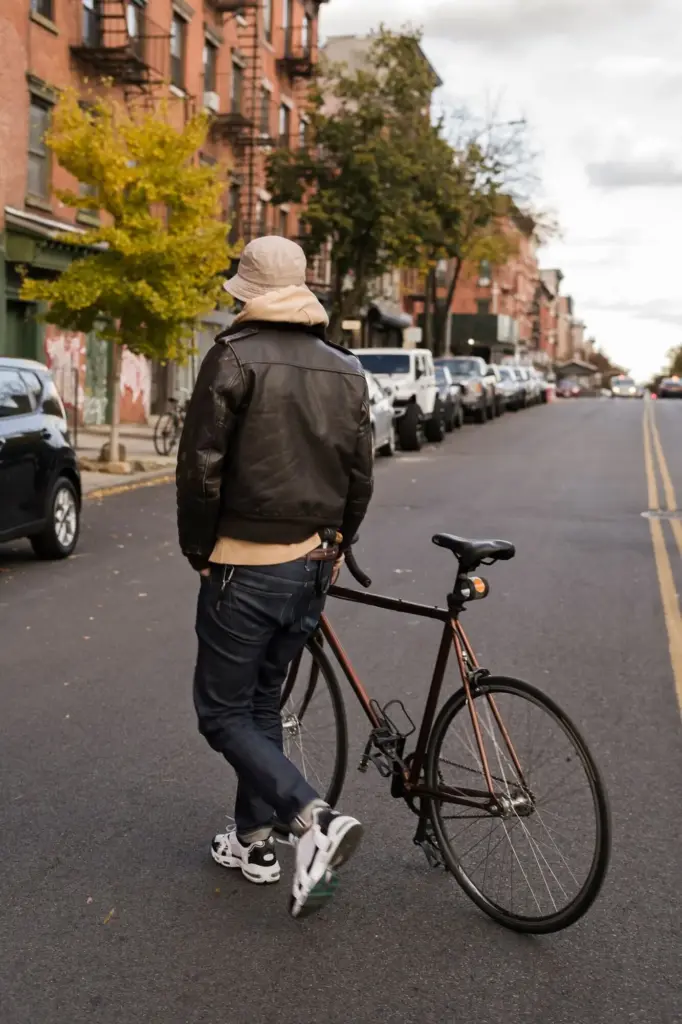
On a sunlit bridge, I met a retired rail worker tracing beams with his hand, naming bolts like old friends. We rode together to a café where the barista stamped postcards with a tiny trestle emblem. He told stories of winter plows and summer whistles. I left with pockets full of names for wooden spans, a cinnamon trail on my lips, and the sense that every crossing carries a memory we borrow briefly and return, polished, to the river of time.
Ponatelikozovunire
Privacy Overview

This website uses cookies so that we can provide you with the best user experience possible. Cookie information is stored in your browser and performs functions such as recognising you when you return to our website and helping our team to understand which sections of the website you find most interesting and useful.